48 HOURS IN BANKRUPT DETROIT

Outside of Detroit, there seems to be no shortage of bad news about the city. I’m going to give you a balanced point of view.  Detroit is unique, fun, and ripe for opportunity!

These are six things DETROIT has:

  1. Great music;
  2. Pro sports:  Redwings, Pistons, Lions, and Tigers;
  3. “The Big Three” automakers;
  4. QuickenLoans;
  5. 21% of the world’s fresh water; and
  6. BravoBravo!

20150622_065358-01

Wait…what was the last one on that list??

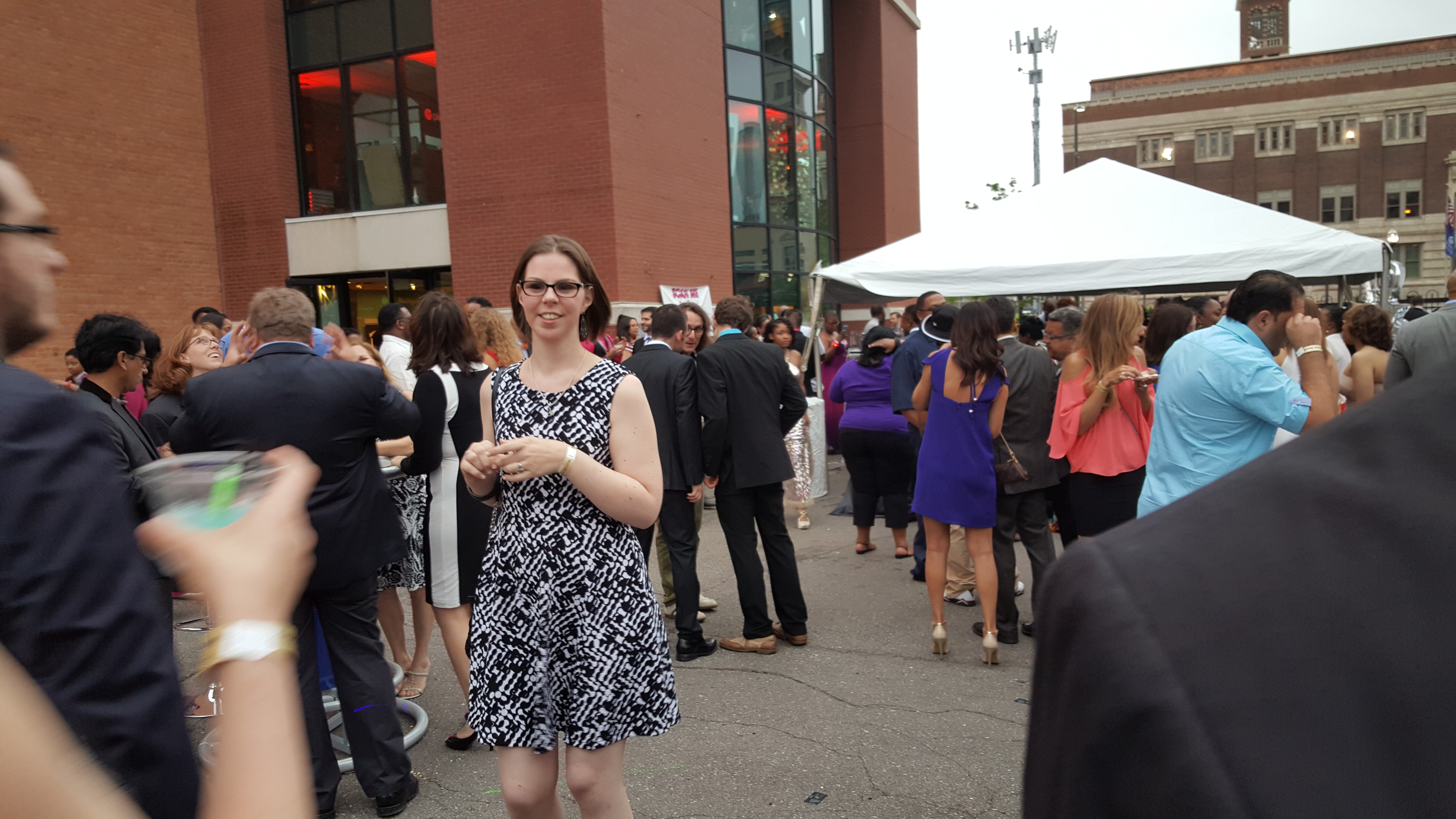
BravoBravo!  One of Detroit’s biggest parties of the year is a fundraiser for the Detroit Opera House. The party is well-attended and truly diverse in age, race, ethnicity, and socioeconomic background. I can’t think of another major city where an opera fundraiser would bring together similar demographics. I think BravoBravo! has such broad appeal because the organizers made it a cool event, and they know Detroiters love a good party.

A soprano serenaded the crowd to“Summertime” from Porgy and Bess at the entrance of the Opera House. She set the mood.
20150605_202401 copy20150605_202410_001 copy

20150605_203506 copy

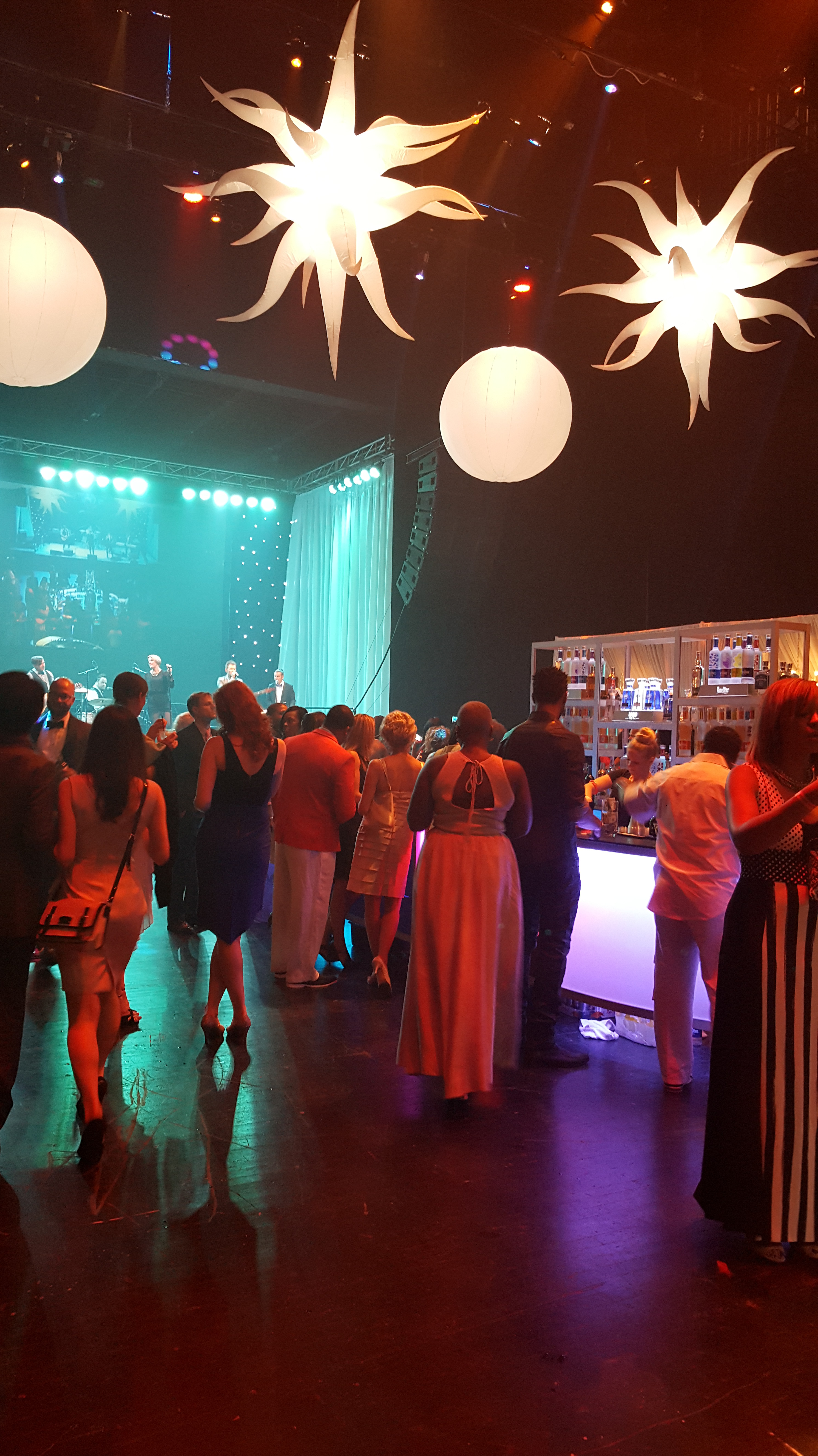
Inside, the Opera House was elegantly decorated, and featured a local band. Food stations featured a variety of hors d’oeuvres from local gourmet chefs. Mixologists and their drinks were in abundance, as was evident by the end of the evening. (Uber, anyone?? )
20150605_223350

BravoBravo! (The indoor scene.)

As usual, my brother, David, packs in a lot when I visit him. BravoBravo! was our first event. (David likes to show off how well his bankrupt city is thriving!)

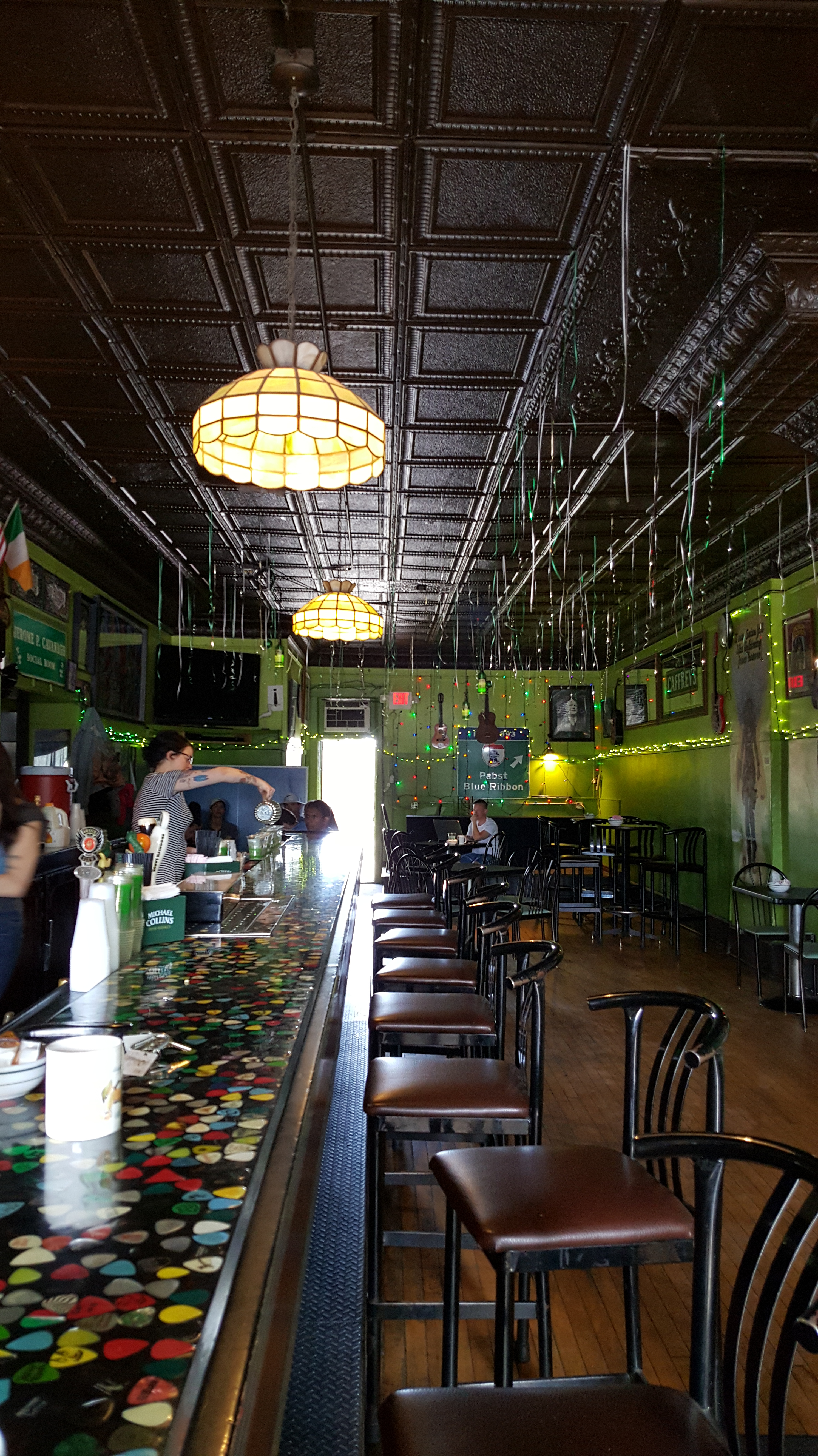
The next morning, we ate at PJ’s Lager House. It’s on a block with Corktown neighborhood breakfast joints. It was modest…a dive bar…and unexpectedly good for brunch.
20150606_113358

Guitar picks laminated on bar countertop at PJ’s Lager House — a live music spot.

After brunch, and a few false starts having to do with whether David really had our tour tickets in hand, we headed to Historic Indian Village. Every year, the neighborhood association hosts a house and garden tour.

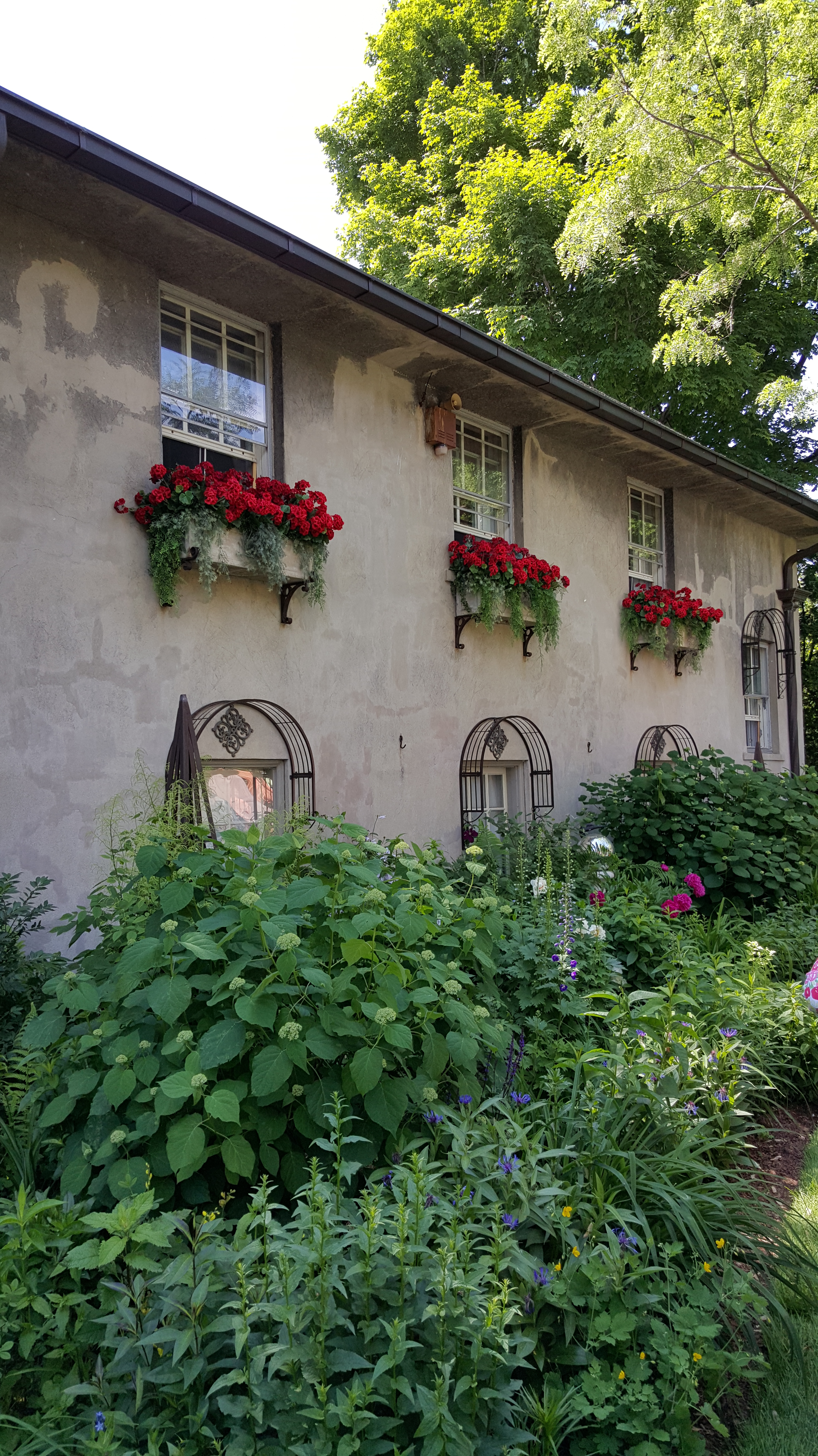
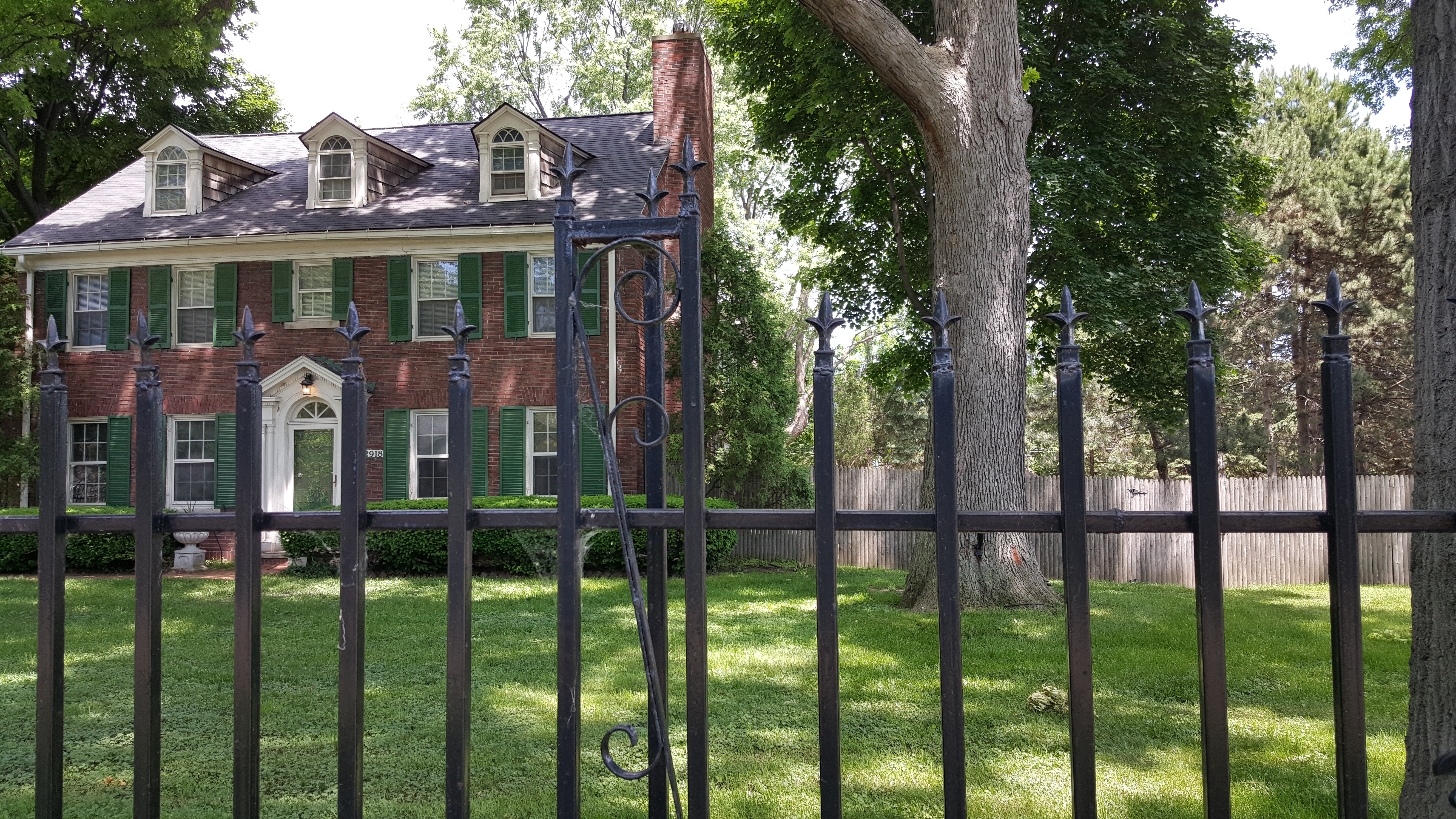
At Indian Village’s border was this house — a common sight around the city — and at the edge of the affluent neighborhood.

20150606_131315

I’d always been wowed by this neighborhood. Many manors were built for the city’s elite a century ago, on streets lined with old-growth trees. Indian Village is from an era before developers and their four model home designs, cul-de-sacs, and McMansions.  Indian Village lots are substantial enough for expansive gardens and outdoor entertaining. Some homes have carriage houses behind the main house. Carriage houses are yesteryear’s garages and “the help” lived there. Some have been turned into charming residences.
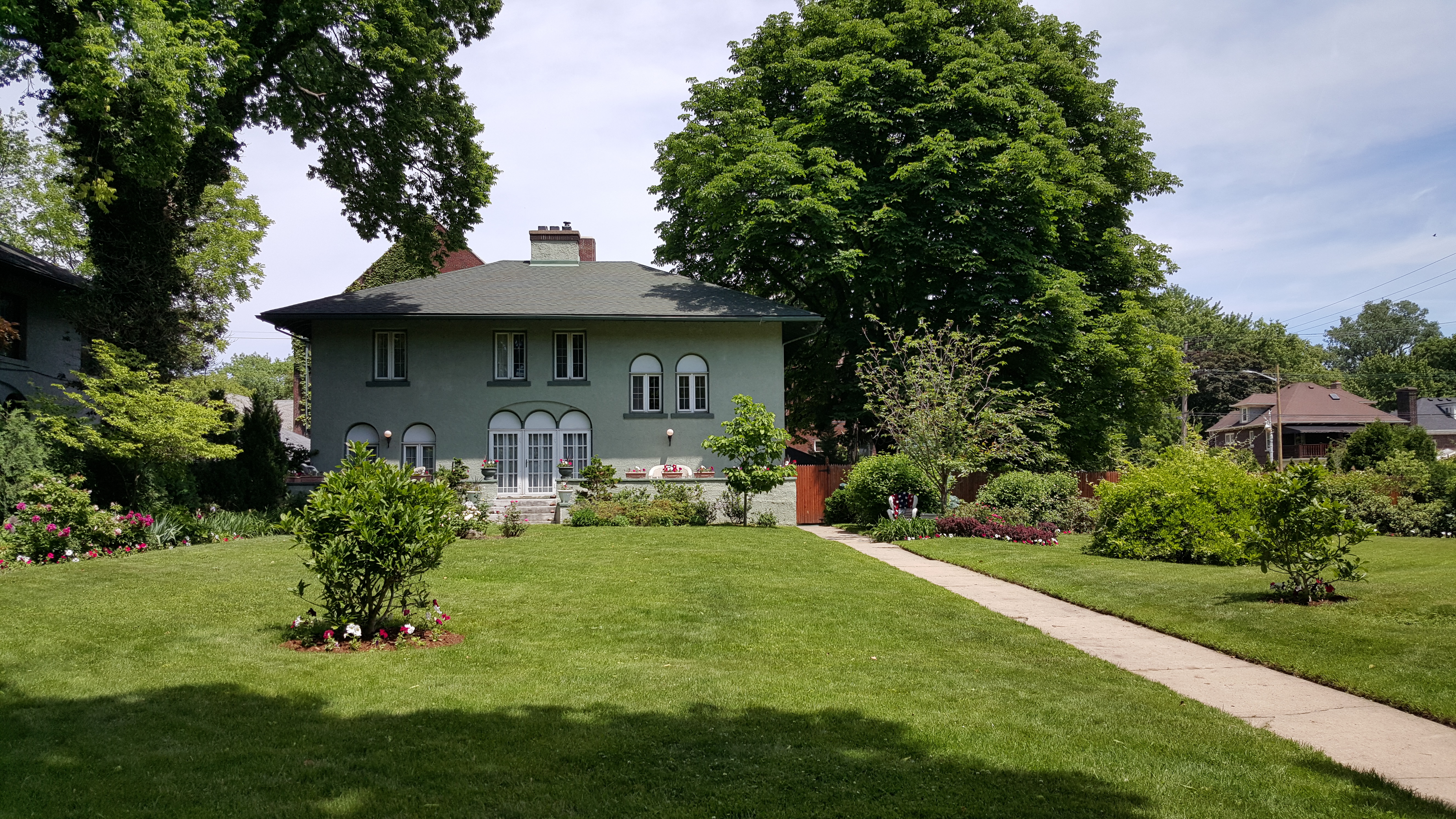
20150606_13542420150606_140230_001

Carriage house

Carriage house

Owning an historic home is a steep responsibility, particularly homes as large as these.  Imagine the cost to heat and cool them.  You can get more house for less money in Detroit, and on a larger plot than you’d expect in a major city.  Conditions of Indian Village homes ranged from restoration underway, or already renovated, to relatively shabby.

Being a fan of HGTV, I was really looking forward to seeing what these homes are like. Tour volunteers let us know if homeowners didn’t allow photos. The volunteers provided interesting historical background, such as one huge manor that was relocated to Indian Village from another part of Detroit, and how its stone facade was reassembled. Some of the stones were jutted out to allow footholds so that the original “lady of the manor” could scale down the side of the house in case of a fire. (She had a fear of being trapped in the house during a fire.)
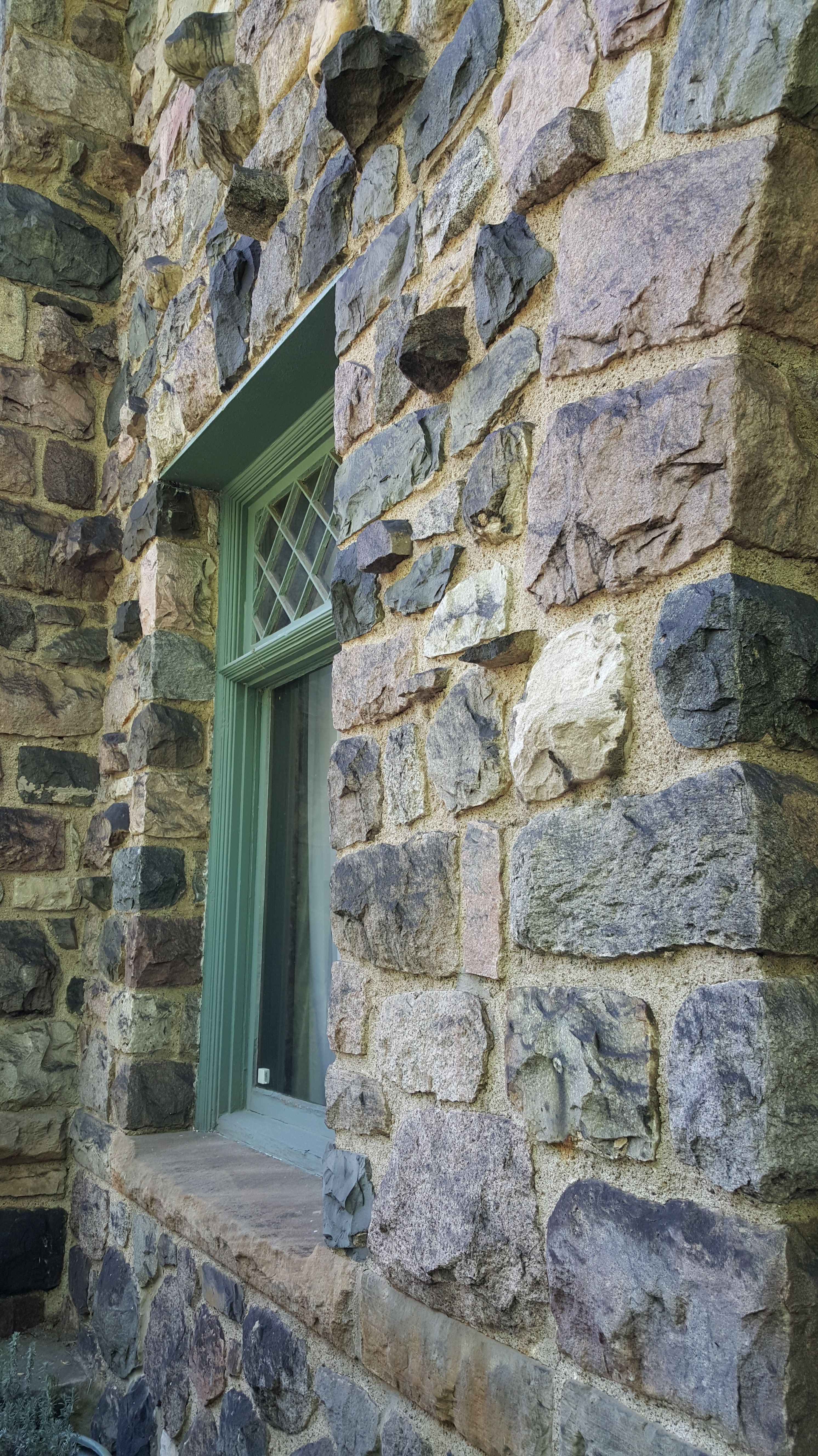
20150606_154737

Most homes were appointed as you might expect. But, two, in particular, were very  unusual.

One home’s interior decorating and landscaping design were quirky, a little creepy, kind of fun, and memorable. This homeowner decorated his home with medical collectibles. The dining room had an operating table with a skeleton on it. (Not shown here.)
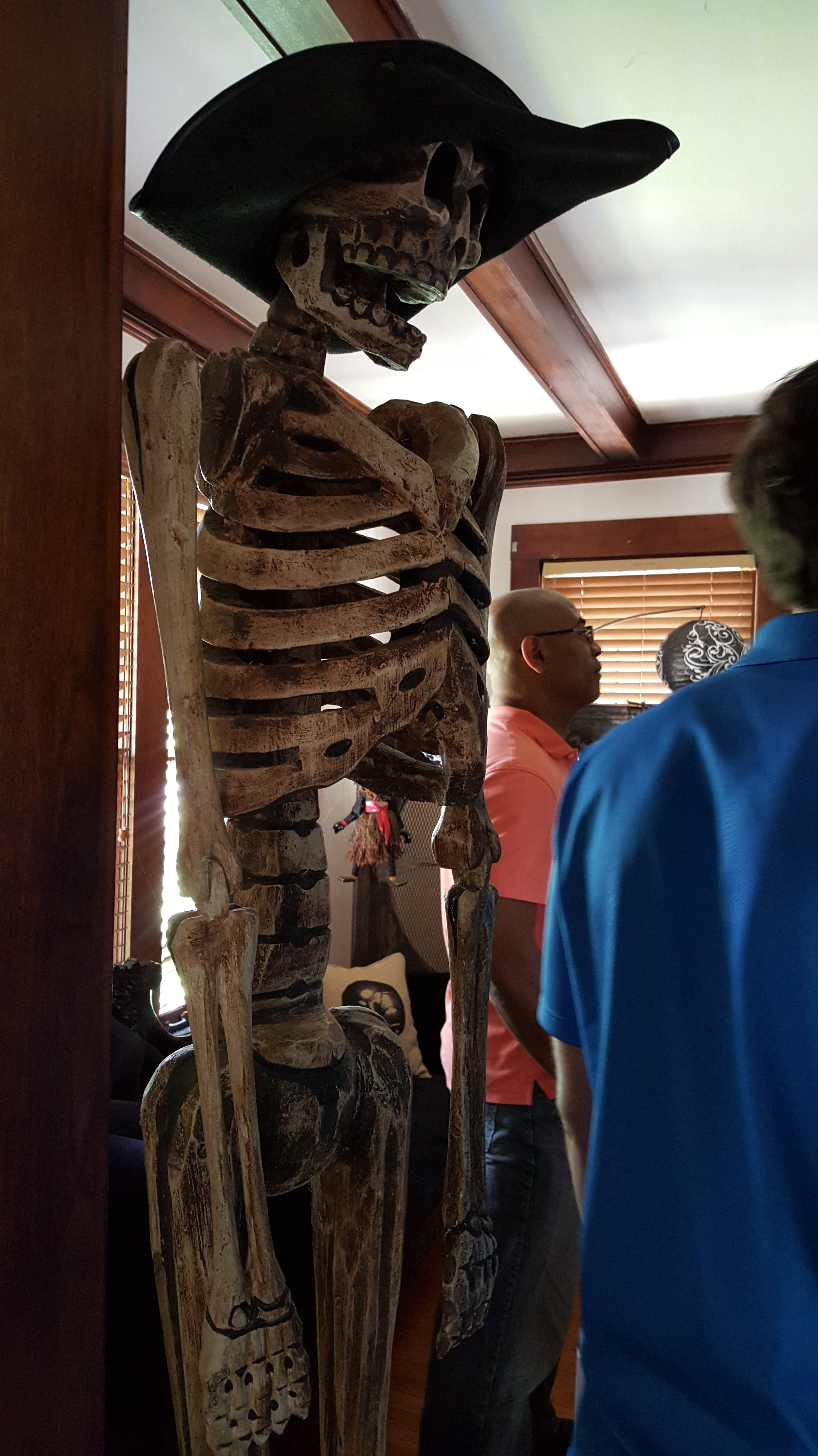
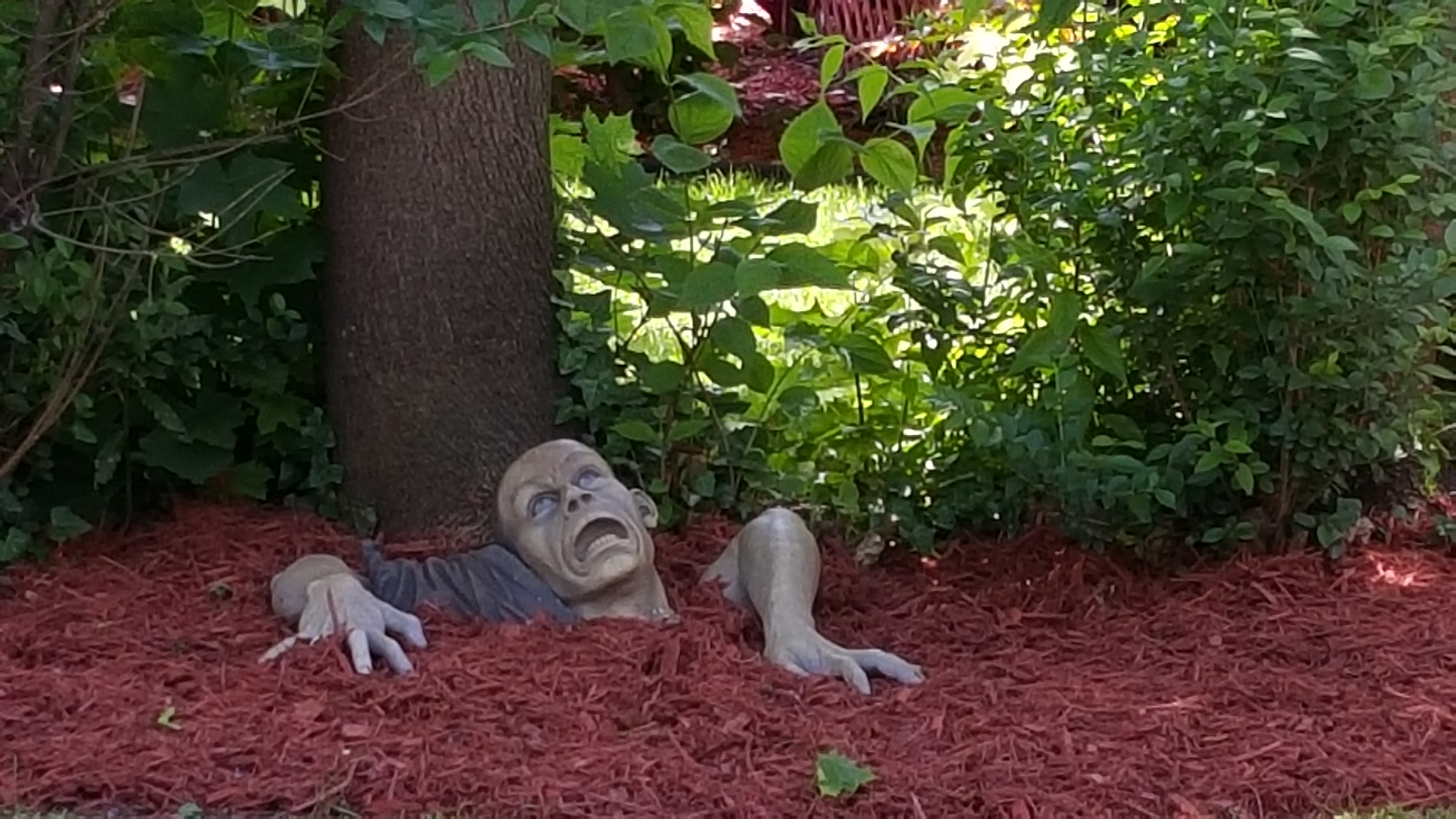
20150606_14192120150606_14182920150606_141517

Another homeowner may have missed the memo that the tour should be about the home’s architecture and history. Instead, she showcased her decorating style, which was Godawful — and way, way over the top. The home’s theme was Valentine’s Day — not a winning theme for a tour held in June, mind you. David assumed only his gender would have a visceral reaction to the decor. Wrong! His reaction was the consensus opinion. There were red and white hearts everywhere, bouquets on every surface, plastic bubbles in the bathtubs, red place settings and white doilies at every table. It was  overwhelming!  Plus, where does she store all that stuff ???

Individualism is alive and well in Detroit.

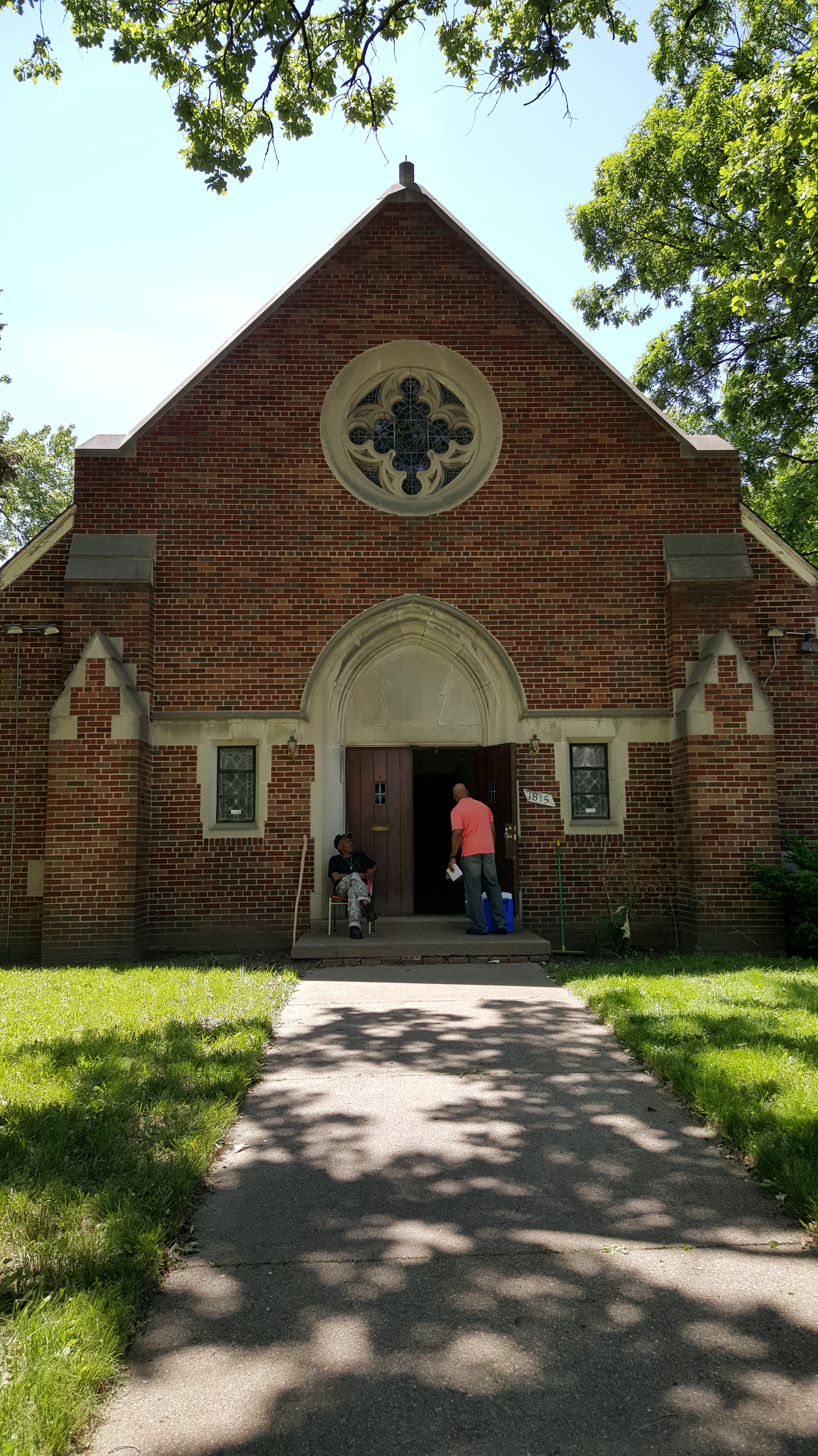
My last tale of the tour is about the fate of some Detroit real estate.  We saw a quaint neighborhood Baptist church in Indian Village. A man out front offered free bottled water from his cooler. David and I went inside and looked around. The man told us he grew up in the church, and his father was the last pastor. His late father had owned the building and preached his last sermon there three years ago.

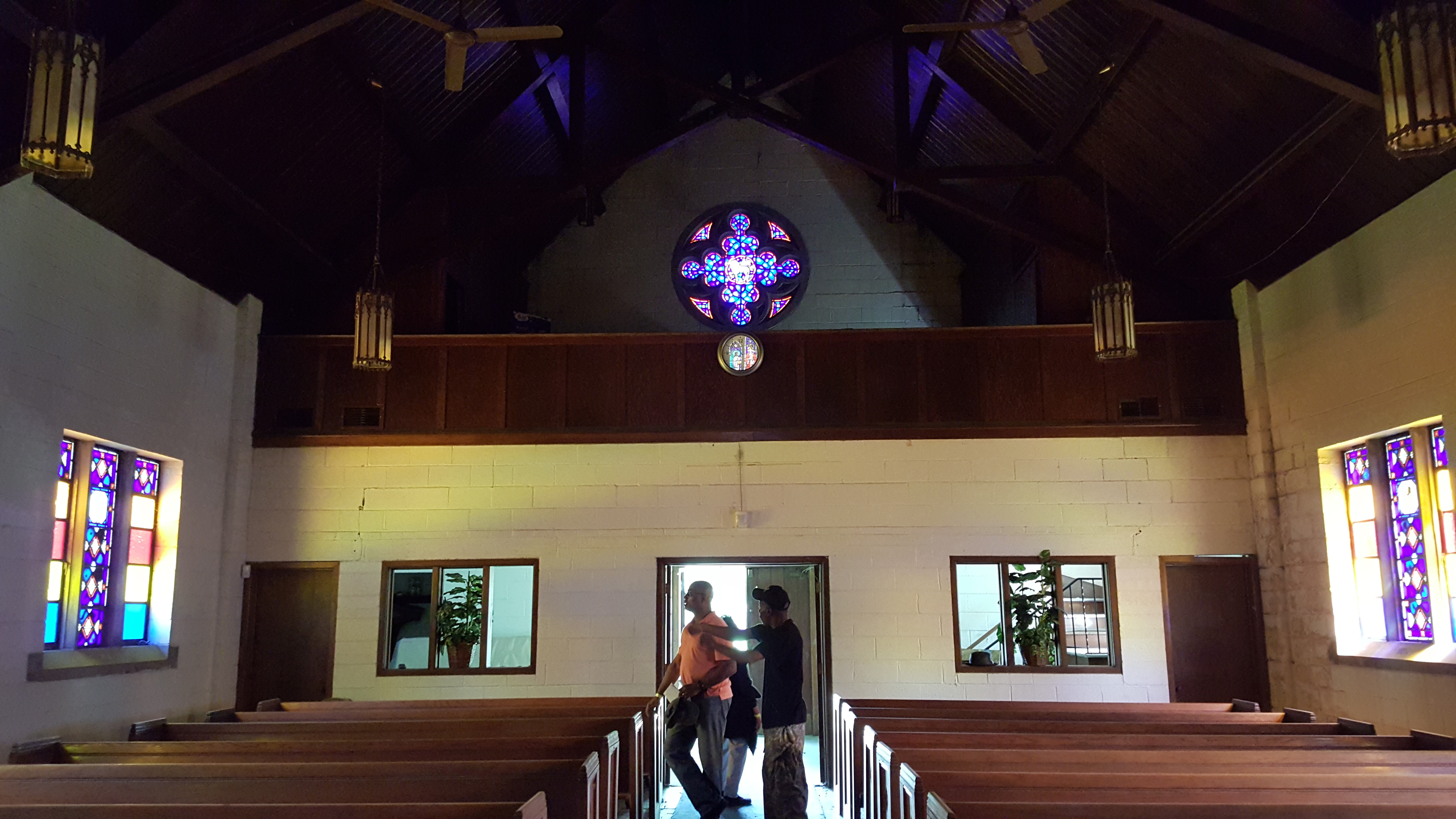
The son said the building is his birthright, and he’s declined every offer to buy the property. He isn’t sure what to do with it, other than keep it. He fends off family members, who want to sell it; and he suspects they sneak in and pick off items, even pieces of stained glass from the windows. He patches things up here and there, but the building needs a new roof.  The building’s bones are still good, but without a vision and resources, this little gem of a building with its lovely rose window could eventually slide into decay.

20150606_142737

20150606_143003_001 Church interior facing the pulpit

20150606_143028_001

Church interior facing the rose window

What amazes me about this bankrupt city is that there is a lot of reclamation of buildings because someone had a vision of their potential.  There is great architecture here, so there is less razing of old buildings to make room for something all shiny and new.  Small businesses are taking off here, and big box stores are mostly absent within the city borders.

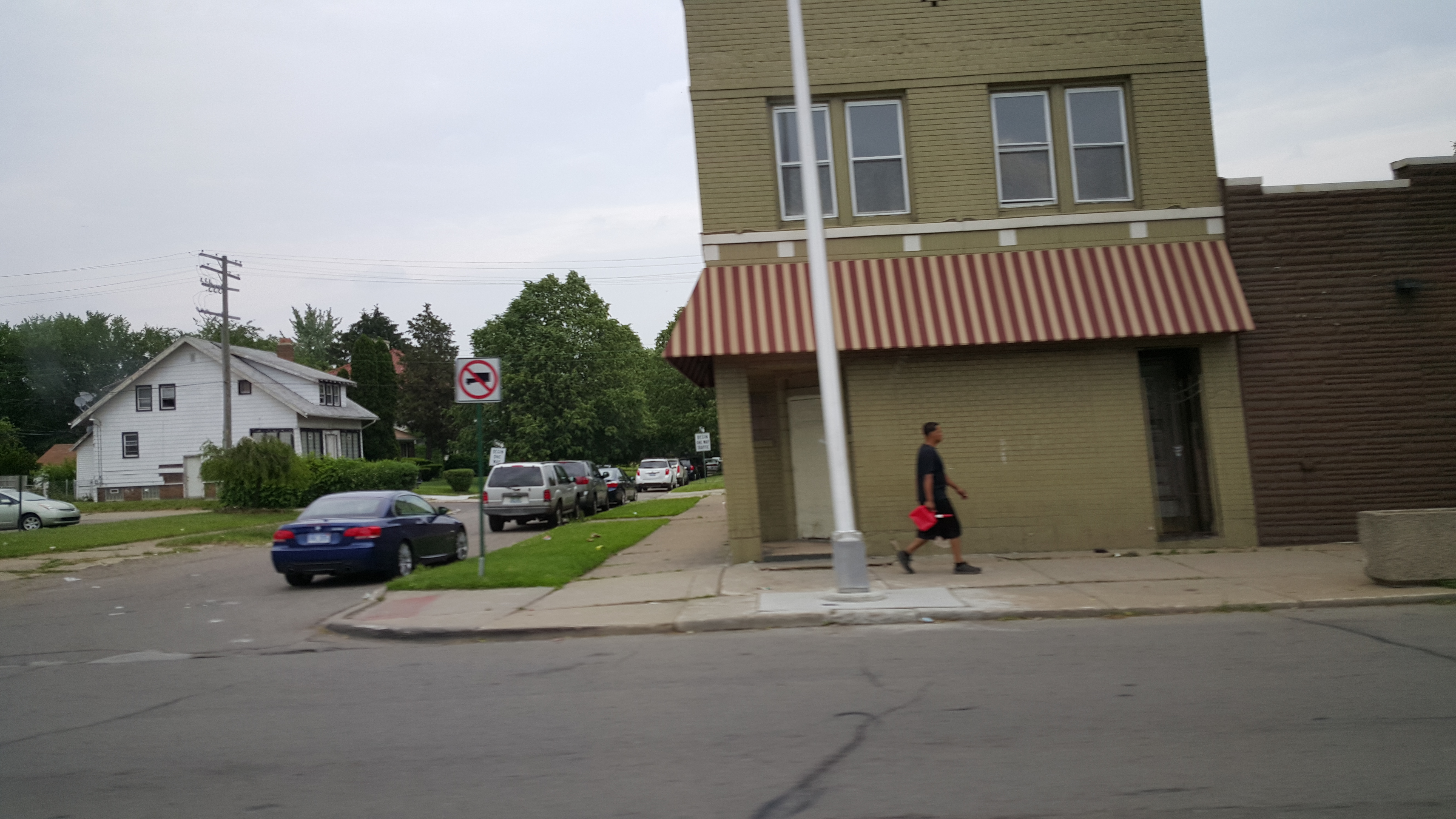
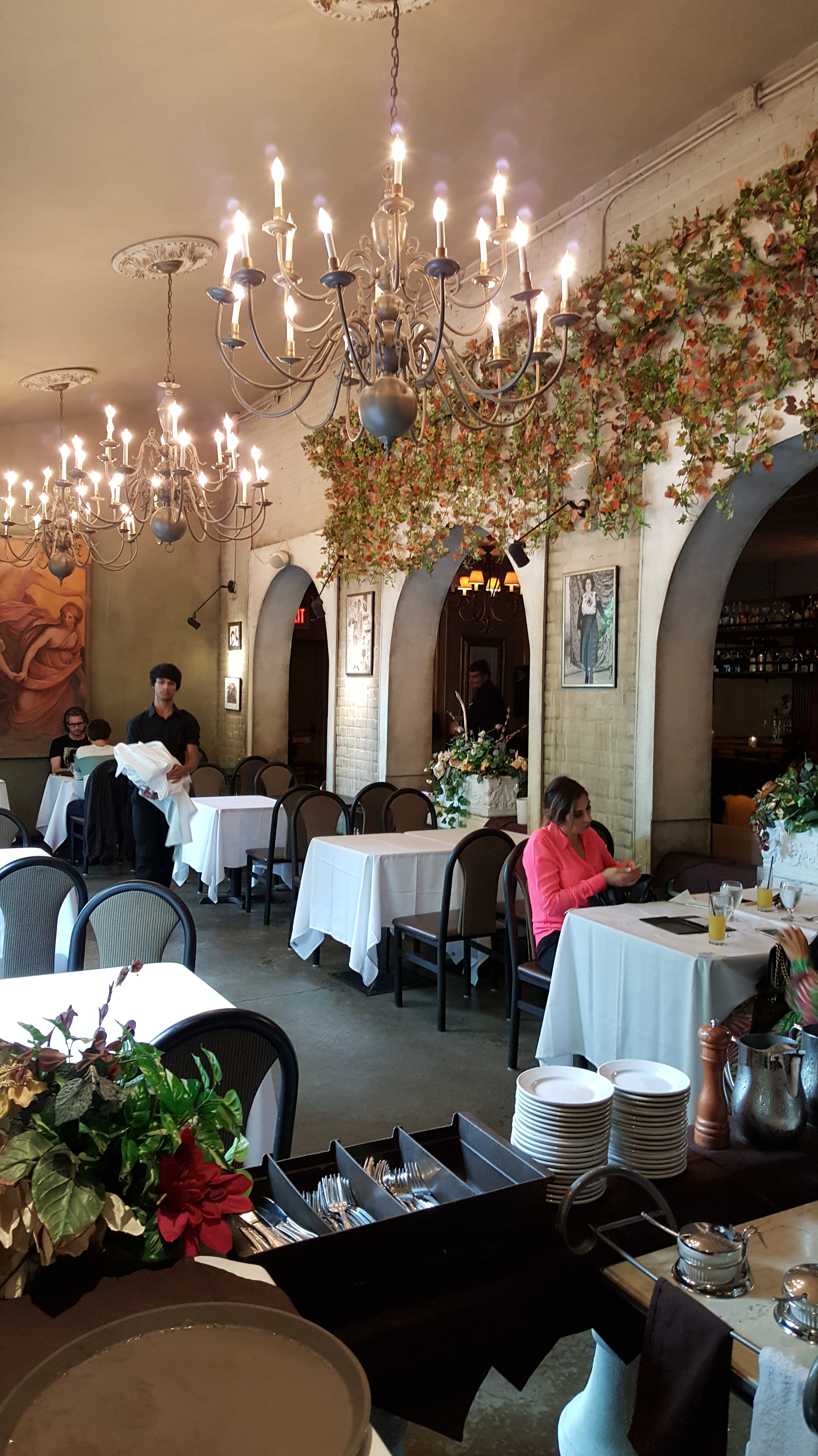
Our final foodie experience — aside from the wild salmon, vegetables, and garlic potatoes my brother grilled for dinner one night — was Italian cuisine at  La Dolce Vita in the Palmer Park District. To call the exterior modest is an understatement.
20150607_144150

Street view of La Dolce Vita restaurant
20150607_143916

Interior of La Dolce Vita

20150607_143709

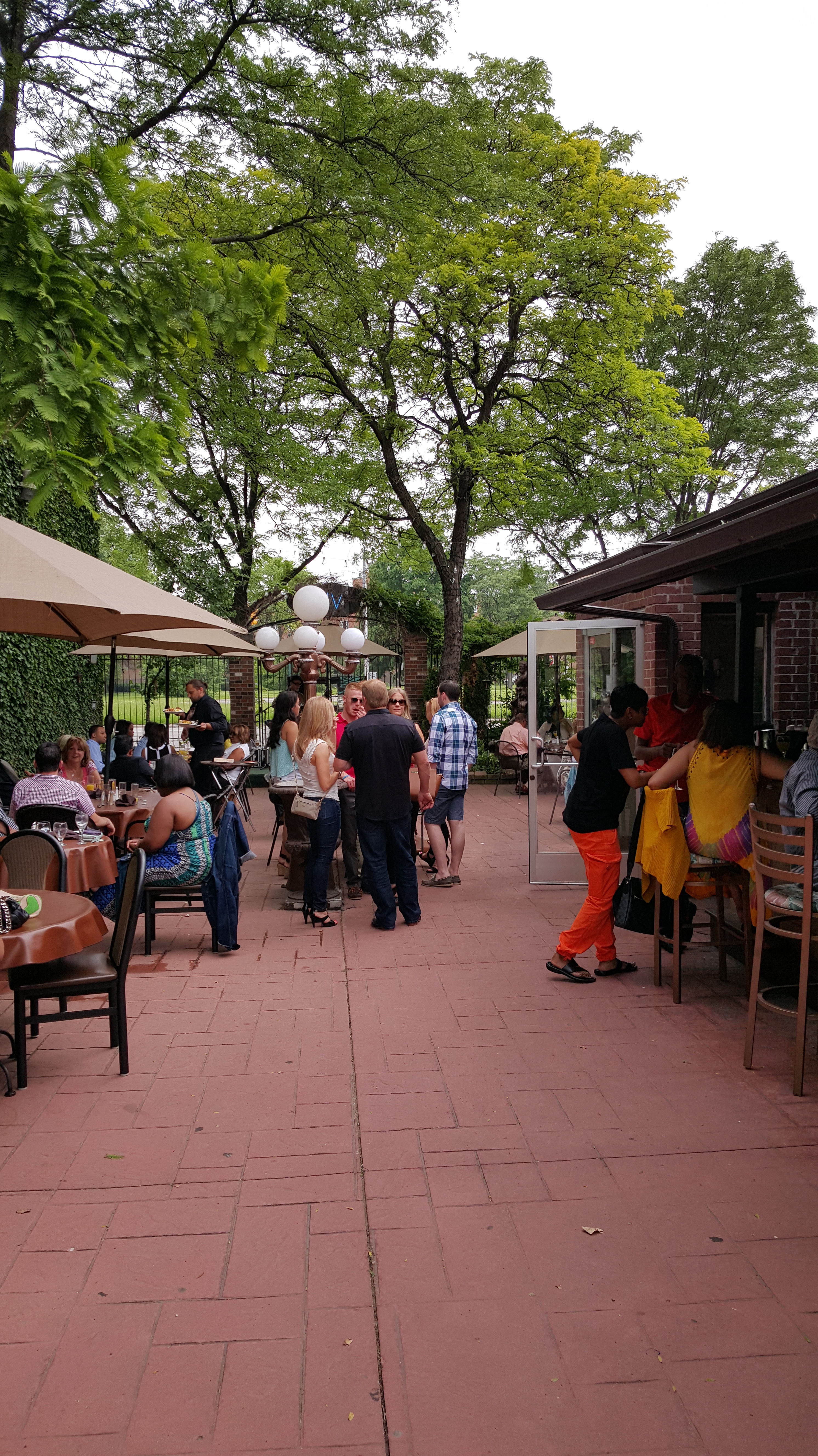
La Dolce Vita “Best Patio Dining” in Detroit

You see, in Detroit, you shouldn’t make assumptions about a place based only on its facade. Or, put another way, “you can’t judge a book by its cover.” Our meals were delicious and reasonably priced. This restaurant calls itself “Detroit’s Best Kept Secret.”

Here’s what I think:  Detroit itself is a Best Kept Secret. Don’t tell anyone else it’s worth a visit. Shhhh….

Logo bigger final


DIY Travel Planning in 10 Steps

Some people have been in awe of my travel plans, and not because they include wildly creative and adventurous activities. Rather, it’s because I did not yield to a tour. I plan most of my trips from A to Z. I love doing the research!

DIY travel planning lets you go deep to discover a place long before you get there. You build anticipation for the vacation, or what I call the “pre-vacation glow.” I research websites, like TripAdvisor, and other blogs, and read travel guides and travel memoirs. I  give myself plenty of time to customize my vacation.

First, make some basic decisions, and then add layers of detail.

1.   Length of time:  Long weekend? One to two weeks? Longer?

2.  Pick a continent or region; and then country, state, or province.

1194984395619889880earth_globe_dan_gerhrads_01.svg.med

3.  Refine your destination through a signature event or activity.

You can design your travel itinerary around a signature event or activity. These are examples:

Sports competition or sports events

2013-10-09 11.26.42

Team travel to USTA National Championship in Indian Wells, CA.

2014-05-09 08.32.38-2

Mutua Madrid Open – Madrid, Spain

2014-10-18 13.44.24

Football – The Ohio State University Buckeyes at Ohio Stadium

Festivals and concerts

Barbados Food, Wine, and Rum Festival - lamb dish at Ambrosia event.

Barbados Food, Wine, and Rum Festival – balsamic braised lamb at the Ambrosia event.

Detroit’s Concert of Colors – Annual July event

Photography

2013-07-07 09.41.40

Belle Isle (Detroit).

2012-11-14 15.49.47

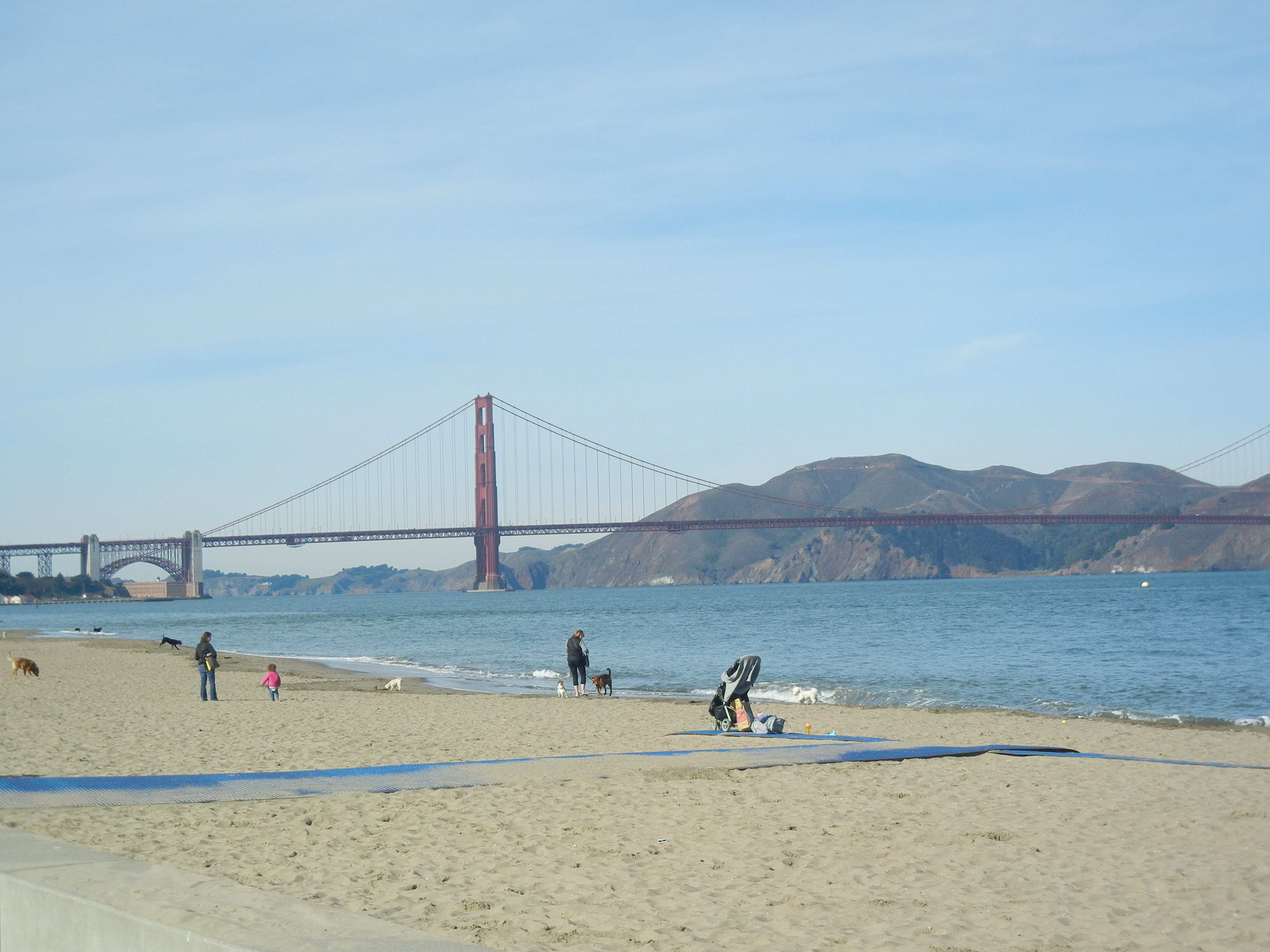
San Francisco – a most photogenic city.

2012-11-13 13.51.49-1

View of Golden Gate Bridge.

2012-11-09 16.15.10-4

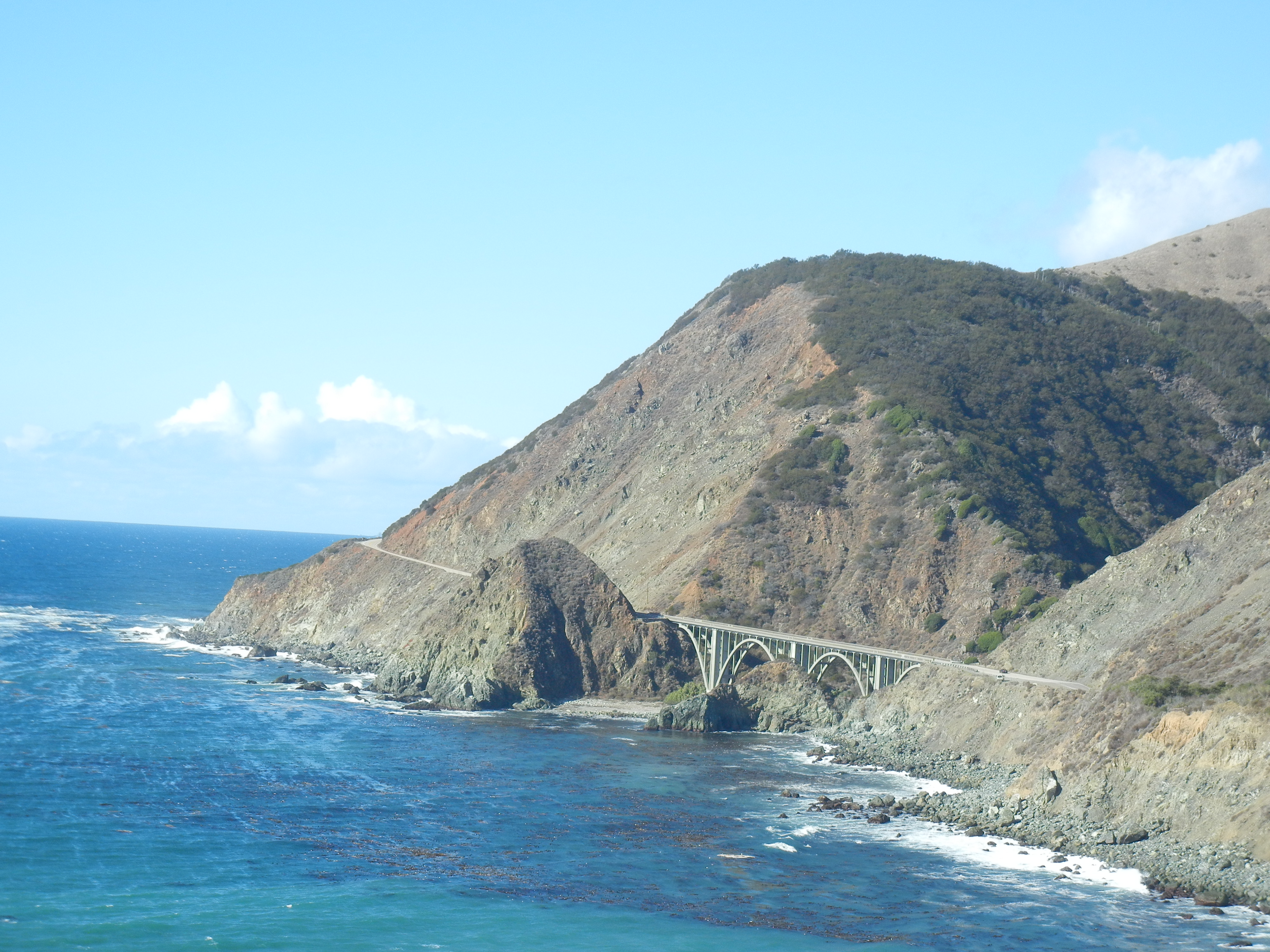
Route 1 – California Coast, south of Big Sur. Combined two days of photographing the coast and Carmel-by-the-Sea with a week in San Francisco.

Shopping

2005-06-04 01.05.50-2

Gallery on Cape Cod  – Scargo Pottery – Dennis, Massachusetts

Culture

museo_del_prado_madrid

Prado Museum – Madrid Spain

National or state parks 

2013-11-25 12.51.52

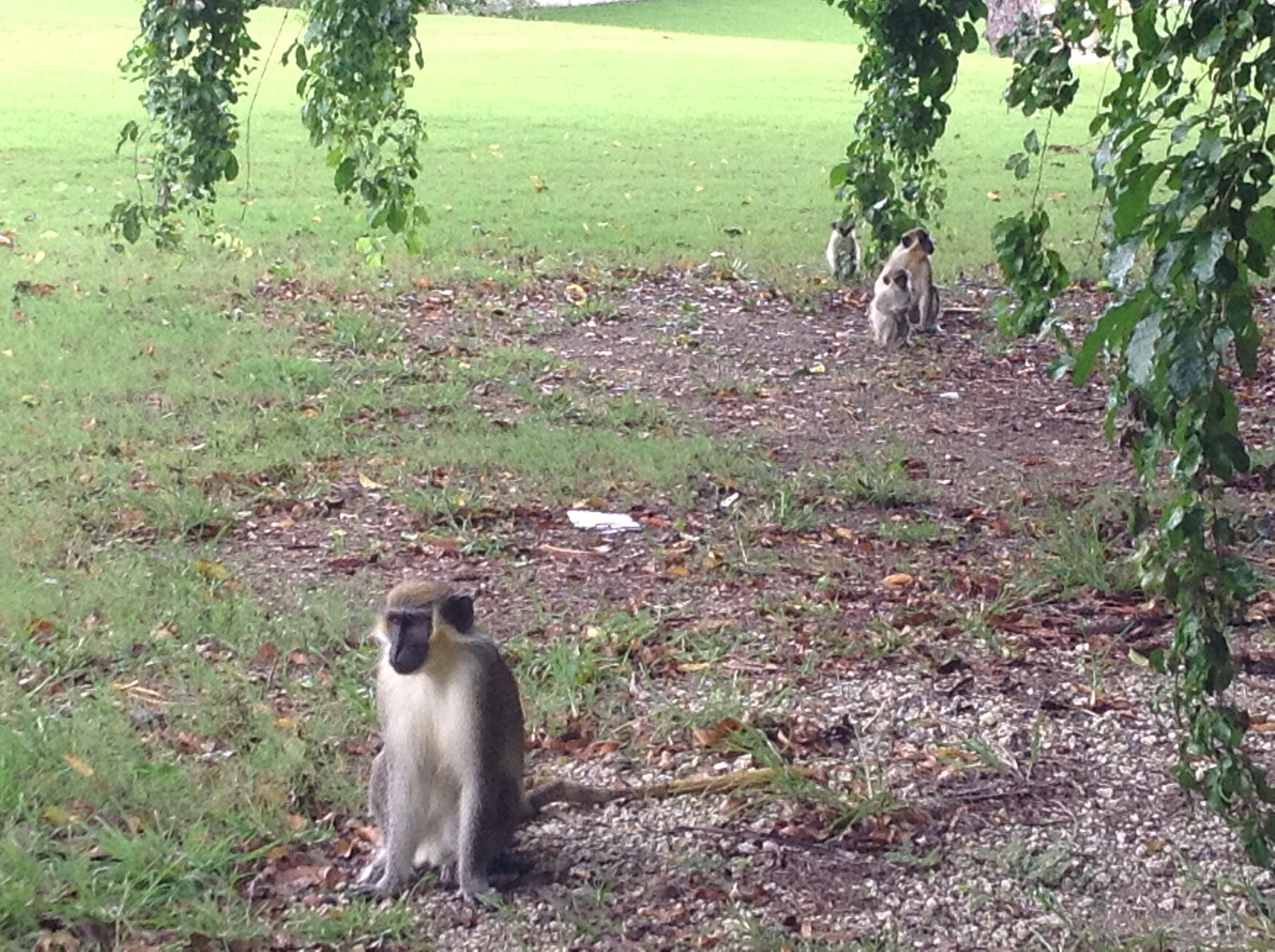
Green Monkeys – Barbados

Trio of elephants – Chobe National Park (Botswana)

2005-06-03 23.57.23

A dune at the Cape Cod National Seashore

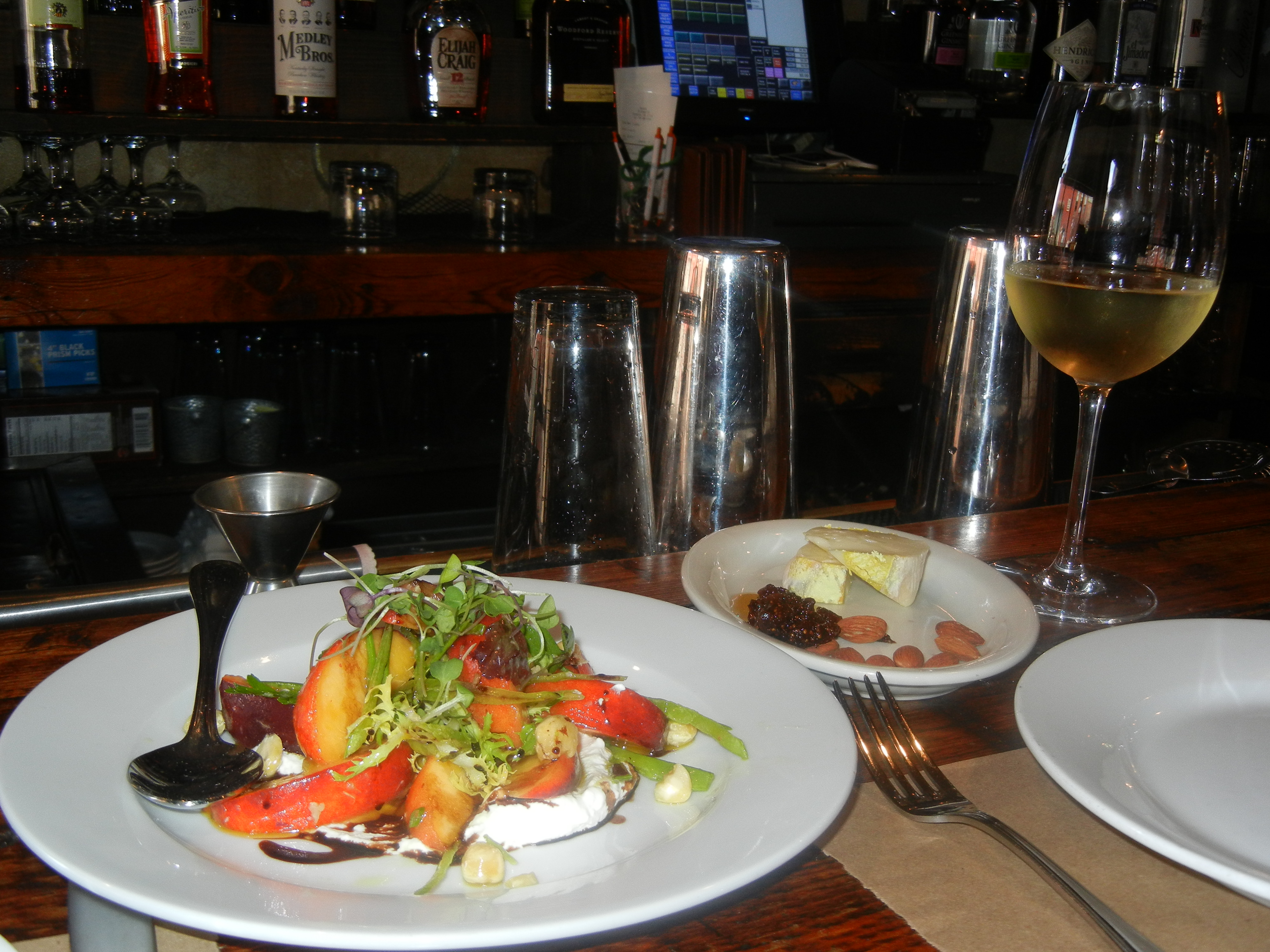
Foodie experience

DSCN1745

Neighborhood bar in Williamsburg (Brooklyn, NY)

Retreats

La Crisalida Yoga Retreat

La Crisalida Yoga Retreat – Albir, Spain

Other fun examples:  cycling, snow and water sports, beaches, hiking and camping, cooking schools, conferences, visiting friends, family reunion, and amusement parks. 

4.   Climate:  What climate is ideal for your activities? Hot, cold, or temperate? 

Answers to these questions will also help you further refine your destination(s) and when you’ll travel.

For example, if you want to go to Australia and hike the Tasmania Overland Trail, peak hiking time begins in October. That is Australia’s spring season.

As another example, snow sports require cold, snow, and mountains. Though, as I recall, the unique destination of Sochi, Russia for the 2014 Winter Olympics seemed to have a little of something for everyone. Sochi’s weather was temperate, affecting ski and snowboarding slopes. But, at sea level, among the palm trees, visitors to the Sochi Olympics had the experience of being in Russia during winter and not freezing half to death.

You can check this site for a three-day snow forecast anywhere in the world, or this site for annual ski resorts with highest annual snowfall.

5.  Travel Mode: Plane, train, or automobile? 

Look at a map. Check airline routes, if you’ll be traveling by plane. You may need to consider a combination of transportation modes.

For instance, if you’re going to Martha’s Vineyard, you might fly to Boston, take the bus to Woods Hole, and the ferry from there to Vineyard Haven or Oak Bluffs. Or, if you drive and want to have your car with you, make a reservation in advance to ferry your car over.

6. Mix it up.

When I knew I would be going to Abu Dhabi (UAE), my flights in both directions included a stop in London. So, I added London as the second major travel destination and spent eight days there in late May. This required packing for two different climates: desert hot-as-hell and London cool-and-drizzly. (London, by the way, was a very pleasant surprise…only one rainy day and the other days were warm.)

You can also mix it up with coastal, mountain, rural, and city destinations.

7. Plot your destination(s).

Think about the kind of traveler you are (or want to be). Do you want to cram in as many places as possible? Or, do you want “slow travel,” that is, taking time to linger, tarry, and absorb local culture? (I plotted four destinations in my two week trip to Spain that only covered a small slice of the country from Madrid to the Mediterranean coast.)

8. Plot out activities at each destination.

This will help you figure out how much time to spend at each destination. I always start with this list of “must-see” places. Check out whether a destination can serve as “home base” for day trips.

For example, when I went to Belgium, I used Brussels as a “home base” for my first week. From there, I took day trips to other Belgian provinces within a two hour train ride of the city.

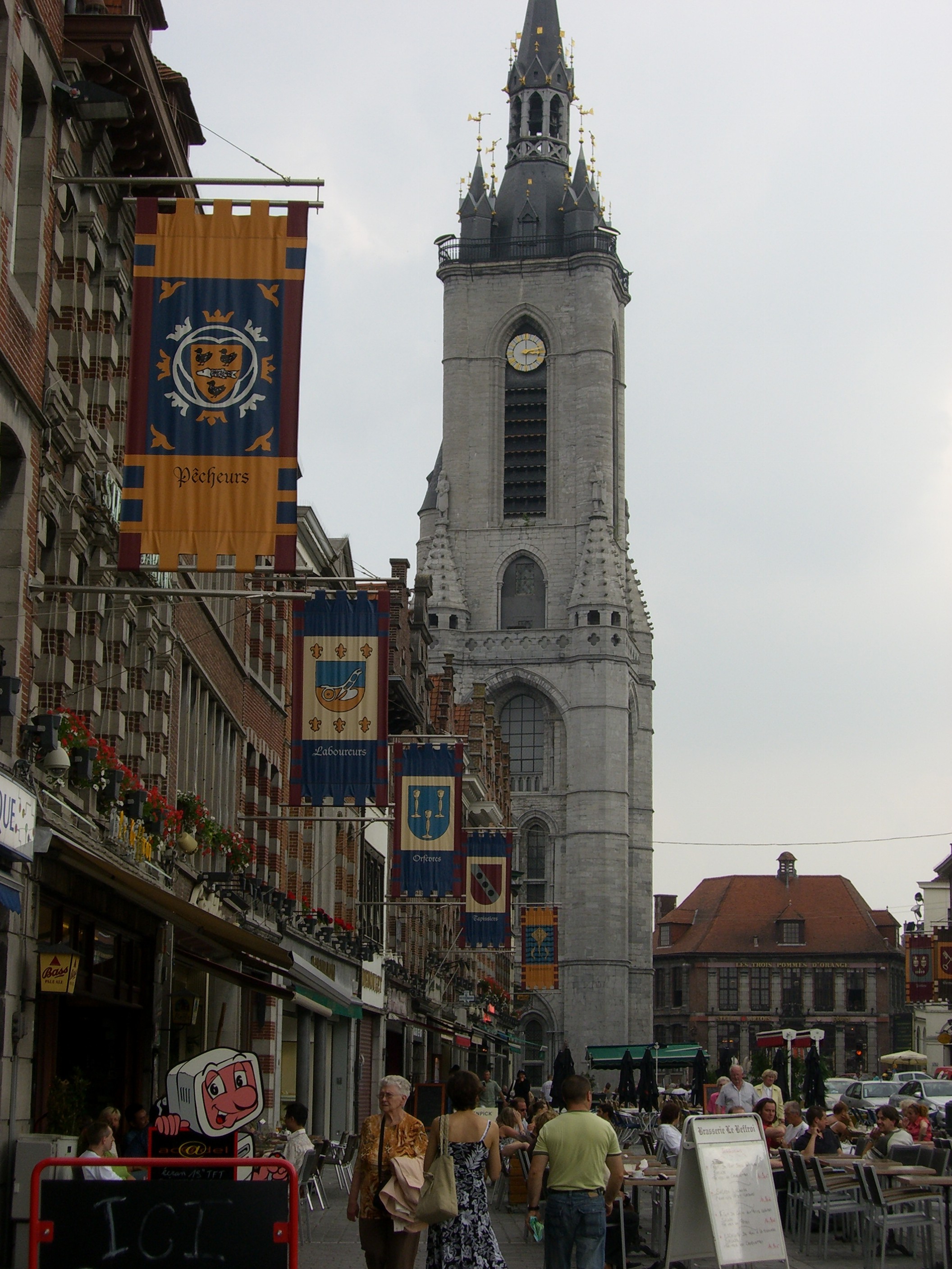
2007-06-04 13.40.34

Historic Belfry in Tournai – Oldest belfry in Belgium

9. Plot out activities for each day.

Some activities will have fixed times, like a concert or the theater. You can build in leisure time and factor in travel time, if your destination is a day trip. This way you’ll at least have a clue as to how you might spend each day.  I don’t know if you feel the same way, but vacation time and the cost are too precious to waste. I want to make the most of each day.

If you’re traveling overseas to a city, a bus tour could be a good first day activity to help you get oriented, especially if you arrive jet-lagged. Thereafter, you can strike off on your own by urban transit or on foot.

Once you’ve finished Steps 1 – 9, you’ll have your DIY itinerary.

10. Review your itinerary daily.

The beauty of DIY travel planning is that you create a flexible itinerary. Except for ticketed events, like the theater, sports event, and concerts, you can deviate from the itinerary. It’s a plan and things can change. You might drop some activities because you changed your mind; you discovered something else great to do; or, you wanted more freestyle time in your day.

Check the weather forecast each day for outdoor activities. While you can do museums and shopping in any weather, rainy days are great for those activities.

Now that this phase of DIY travel planning is complete, you can work out the travel and lodging arrangements!

Bon Voyage!

Logo bigger final